
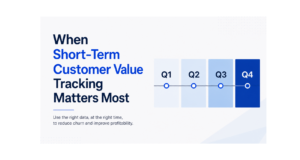
When Short-Term Customer Value Tracking Matters Most
Customer value management systems make use of the customer data given for a specific period of time. Tracking the data is, of course, useful for your long-term customer journey. However, it may not be useful for the short term. If your company does not have enough traffic, there may not be enough useful data for […]

Scale Customer Value with AI and Automation
Data is the recurring word that you hear, and the mastery of it becomes a priority for strategy. When we discuss customer data, we inherently think of a CRM (customer relationship management) system. It focuses on managing interactions with customers, analyzing them in the short term, and collecting and organizing their data. Customer value management […]
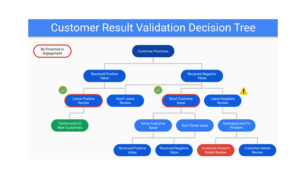
Customer Post-Purchase Experience: A Practical Guide to the Customer Result Validation Decision Tree
In an experience-driven market, customer feedback is not just noise. It is one of the most valuable signals your business can act on. But collecting feedback alone is not enough. What separates a good post-purchase experience from the rest is how businesses respond to that feedback in a structured, intentional way. This automated decision tree […]

The Loyal Customer (Short Story)
Most mornings, the coffee shop sounded the same. The espresso machine hissed. Cups clicked softly against each other. The refrigerator near the pastry case hummed along in the background. And every so often, the bell above the front door gave a tired little jingle when someone came in. Rowan liked that about the place. The […]

First Contact Resolution: Formula and Example
First Contact Resolution (FCR) is a customer support metric that measures the percentage of customer issues resolved during the first interaction, without the need for follow-ups, escalations, or additional support tickets. It is one of the strongest indicators of efficient customer service and high customer satisfaction. A high FCR rate typically means customers are getting […]

Average Resolution Time: Formula and Example
Average Resolution Time (ART) is a customer support metric that measures how long it takes, on average, for a company to fully resolve a customer issue from the moment it is first reported. Unlike First Response Time, which measures the initial reply, ART focuses on the complete time to solve the problem. A lower Average […]

First Response Time: Formula and Example
First Response Time (FRT) is a customer service metric that measures how long it takes for a business to respond to a customer’s initial inquiry or support request. It is one of the most important indicators of customer experience because it reflects how quickly a company acknowledges and begins addressing customer needs. A lower FRT […]

Customer Effort Score: Formula and Example
Customer Effort Score (CES) is a customer experience metric that measures how easy it is for customers to complete an interaction with a company. This could include resolving an issue, making a purchase, or finding information. The goal of CES is to understand friction in the customer journey—because the easier the experience, the more likely […]

Net Promoter Score: Formula and Example
Net Promoter Score (NPS) is a widely used customer loyalty metric that measures how likely customers are to recommend a company’s product or service to others. It helps businesses understand overall customer sentiment and predict future growth based on word-of-mouth referrals. Customers are typically asked one question: “On a scale of 0–10, how likely are […]

Customer Satisfaction Score: Formula and Example
Customer Satisfaction Score (CSAT) is a widely used metric that measures how satisfied customers are with a company’s product, service, or interaction. It is typically collected through surveys that ask customers to rate their experience, often on a scale such as 1 to 5 or 1 to 10. CSAT helps businesses understand customer sentiment and […]