

The customer’s sales experience is more than a transaction—it’s a journey. It begins the moment someone first encounters your brand and ends with the decision to purchase your product or service. Along the way, every interaction matters. Customers expect a personalized journey, and it’s up to your business to curate that experience.
At each stage, customers are identified as part of your audience, as a lead, then ultimately as a sale. The goal is simple: guide people from being audience members who discover your brand, to leads who express interest, and finally, to satisfied customers who complete a transaction. Let’s break down how to get there.
Gaining an Audience and Improving Reach
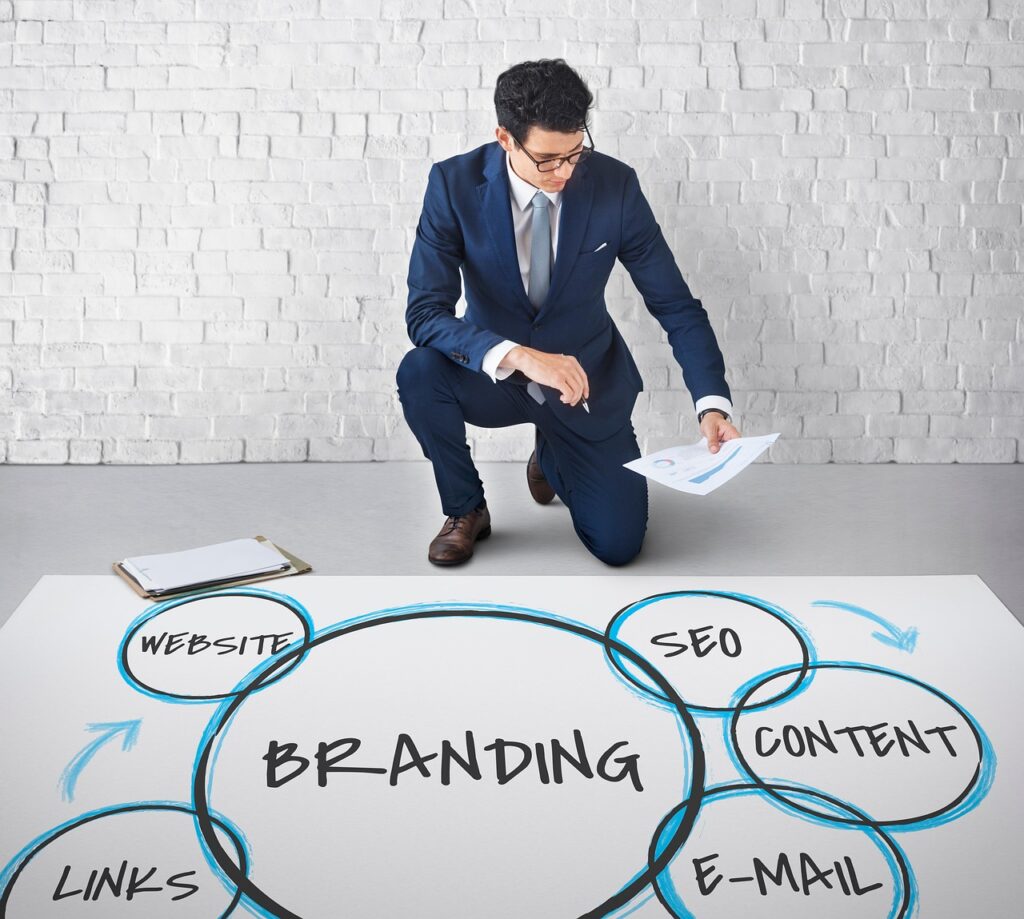
Before a customer becomes a lead, you first need their attention. Building a strong audience starts with creating a brand identity and strategy that resonates.
Your brand is more than just a logo or a catchy name—it’s the full experience that communicates who you are and why customers should care. A solid branding strategy combines visuals, values, and culture into one cohesive story.
Logo
Your logo is the cornerstone of your visual identity. It communicates professionalism, builds trust, and creates a lasting impression that connects your products or services to your brand in the minds of your audience.
Business Name
Your business name is the foundation of your identity. A well-chosen name is memorable, easy to pronounce, and aligned with your values and mission, helping customers associate positive experiences with your brand.
Primary and Secondary Colors
Your color palette shapes perceptions of your brand. Primary colors ensure consistency and recognition, while secondary colors add flexibility and depth. Together, they set the tone, evoke emotions, and keep your visuals cohesive.
Mission
Your mission defines why your business exists and the difference you seek to make. It guides decision-making, communicates your purpose, and shows customers that your brand is driven by more than profit.
Vision
Your vision outlines the future you want to create. It sets long-term aspirations that inspire employees, attract partners, and engage customers who believe in your direction.
Organizational Values
Your values are the ethical foundation of your brand. They influence how you operate, treat customers, and engage with the community. Consistently practicing your values builds trust and loyalty.
Organizational Culture
Your culture is the living expression of your brand. It reflects how your team works, collaborates, and treats customers. A strong culture ensures your brand promise is felt in every interaction.
These elements set the stage for where and how you reach your audience. Once your brand is clear, the next step is choosing the right platforms.
Choosing the Right Platforms
Your audience won’t be everywhere, and neither should your brand. Selecting platforms where your customers actually spend their time is critical for maximizing impact and minimizing wasted effort. These platforms can be digital or traditional:
Digital Platforms
Business Website
Your website is your brand’s central hub. It offers a professional space for customers to learn about your products, services, and values, while giving you complete control over your messaging and customer experience.
Social Media
Social platforms allow you to connect with audiences in real time. They showcase your personality, share stories, and open conversations that build stronger relationships.
eCommerce Platforms
eCommerce extends your brand into the global marketplace, making your products accessible anywhere. Product pages, reviews, and smooth transactions all shape how your brand is perceived.
Online Directories
Directories boost credibility by ensuring customers can easily find accurate information about your business. A well-maintained profile increases visibility, especially in local searches.
Traditional Platforms
Print Media
Brochures, flyers, and magazines provide tangible touchpoints. They carry your brand into the real world in a format that often feels trustworthy and lasting.
Broadcasting Media
Radio and television reach wide audiences quickly. Commercials, jingles, and storytelling create emotional connections and keep your brand top of mind.
Film
Film allows for impactful storytelling. Advertisements or sponsored content can connect emotionally, leaving memorable impressions of your brand.
Music
Music gives your brand a voice. Whether through jingles, playlists, or partnerships, it reinforces identity, sets tone, and creates lasting associations.
Billboards
Placed in high-traffic areas, billboards deliver bold, concise messages. Repeated exposure creates strong brand recall among broad audiences.
Targeting the Right Audience
Reaching everyone is not the same as reaching the right people. Casting too wide a net can waste valuable branding dollars and hours. Instead, businesses should build a customer profile—a detailed picture of their ideal buyer.
This profile should include demographics (age, gender, income), psychographics (values, interests, lifestyle), desired online platforms, and even their social or financial status. By understanding your ideal customer, you can choose platforms that connect directly with them and tailor your message for maximum impact.
Final Thoughts
The customer journey doesn’t happen by chance—it’s designed. From logo to billboard, every detail of your brand plays a role in guiding customers from a reach, to a lead, to a sale. Businesses that understand their customers, create strong brand identities, and choose the right platforms will not only gain attention but also earn loyalty.
When you build with intention, you don’t just close transactions—you create meaningful experiences that turn first-time buyers into long-term advocates.