
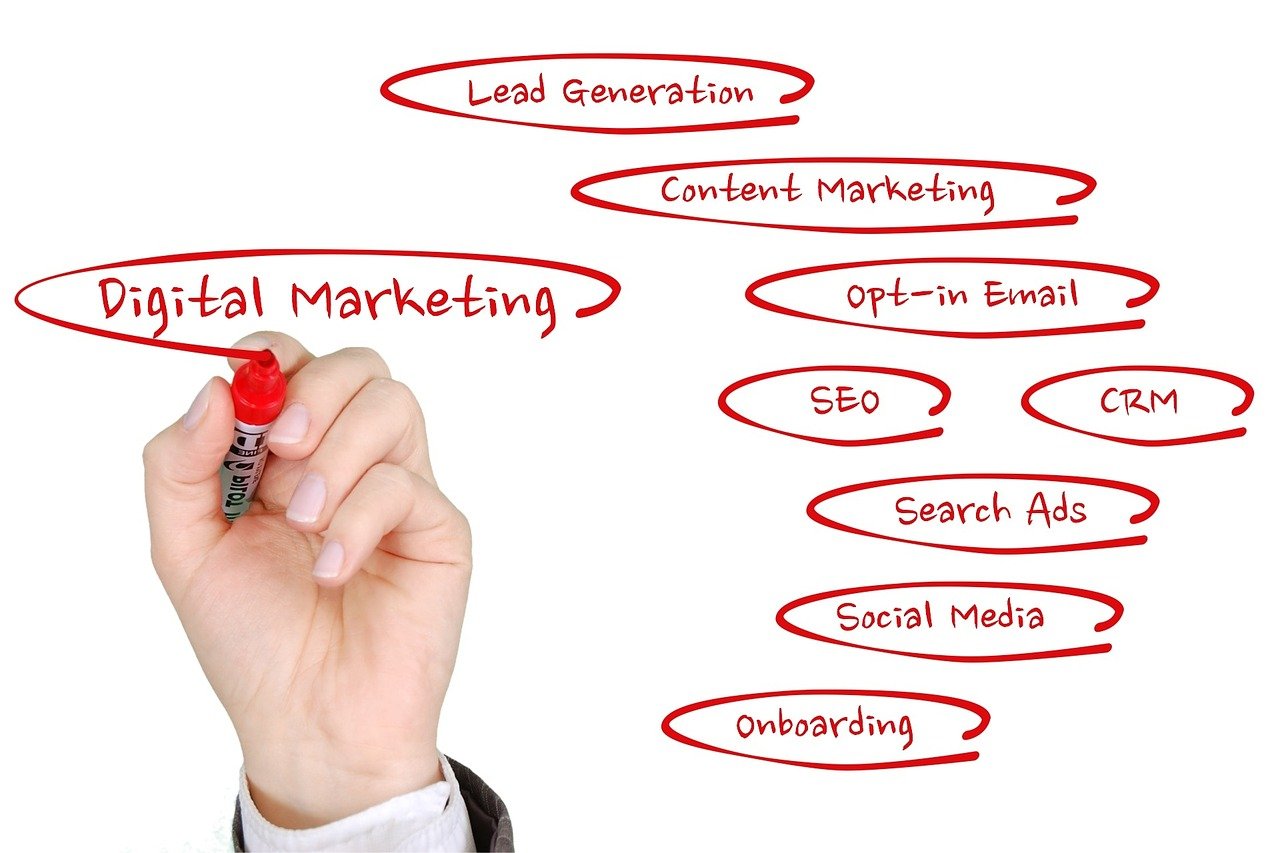
Generating leads is the foundation of business growth, yet many companies struggle to consistently attract the right prospects. The good news is that with the right marketing strategies, you can create a steady pipeline of qualified leads who are eager to learn more about your products or services. From optimizing your website to leveraging social media and beyond, there are multiple ways to capture attention and guide potential customers toward conversion.
Optimize Your Website for Conversions
Your website is often the first impression potential customers have of your business. A site that loads quickly, is mobile-friendly, and provides a smooth user experience keeps visitors engaged. Adding clear call-to-action buttons, lead capture forms, and targeted landing pages ensures that traffic doesn’t go to waste. Every click should guide visitors toward the next step in their journey.
Content Marketing to Build Authority
High-quality content builds trust and positions your business as an authority. Blog posts, guides, and eBooks that address customer challenges demonstrate your expertise while offering real value. Case studies and testimonials showcase proven results, and videos add an engaging, visual element to your strategy.
Search Engine Optimization (SEO)
Search engines remain one of the most powerful tools for lead generation. By conducting keyword research and optimizing your site for relevant search terms, you can attract visitors who are already looking for your products or services. On-page SEO practices—like writing strong meta descriptions and improving internal linking—help improve rankings. For local businesses, optimizing for location-based searches can drive nearby customers directly to your door.
Paid Advertising (PPC & Social Ads)
Pay-per-click (PPC) ads and social media advertising provide fast, targeted results. Platforms like Google Ads and Facebook allow you to reach specific audiences based on demographics, interests, and behaviors. With careful budgeting and performance tracking, paid campaigns can deliver a strong return on investment.
Email Marketing Campaigns
Email remains one of the most effective ways to nurture leads. Offering lead magnets—such as free trials, downloads, or discounts—encourages people to subscribe. From there, automated drip campaigns allow you to send personalized messages that guide prospects through the sales funnel.
Social Media Engagement
Social platforms are powerful for building relationships and generating leads. Sharing valuable content, hosting Q&A sessions, and engaging with comments keeps your brand visible and approachable. Features like polls, stories, and live streams encourage interaction, while collaborations with influencers expand your reach.
Webinars & Virtual Events
Educational webinars and virtual events attract prospects who are eager to learn more about your expertise. Hosting a free session on a relevant topic positions your business as a trusted authority. These events also create an opportunity to collect attendee information, follow up, and nurture those leads with additional resources.
Referral and Partnership Programs
Word-of-mouth remains a powerful marketing driver for businesses. By creating a referral program, you encourage satisfied customers to spread the word in exchange for rewards. Strategic partnerships with complementary businesses can also open doors to new audiences. Whether it’s offering discounts, exclusive perks, or simple recognition, incentives motivate partners and past customers to share your business with others.
Lead Generation Goals
Creating lead generation goals is a vital first step in building a successful marketing strategy. These goals define the number and quality of potential customers a business aims to attract within a set timeframe. By setting clear objectives—such as increasing website sign-ups, boosting email subscribers, or growing qualified sales leads—a company can align its marketing activities with measurable outcomes. Lead generation goals should always follow the SMART framework: specific, measurable, achievable, relevant, and time-bound. This ensures that every marketing effort, from social media campaigns to landing page optimizations, works toward a defined result.
Beyond setting targets, businesses must also connect their lead generation goals to the customer journey. Understanding where potential clients are in their decision-making process helps marketers design strategies that meet them at the right moment—whether that’s through awareness campaigns, nurturing emails, or personalized offers. Tracking performance through metrics like conversion rates, cost per lead, and engagement levels helps refine these goals over time. In essence, well-crafted lead generation goals not only drive growth but also create a clear roadmap for sustained marketing success.
Leads are the lifeblood of any growing business, and the right marketing strategies can make all the difference in turning strangers into loyal customers. Whether you focus on SEO, content marketing, paid advertising, or referral programs, the key is to test different approaches, track your results, and refine your tactics over time. Remember, no single strategy is one-size-fits-all—it’s about finding the mix that works best for your audience and business goals. Start by choosing one strategy from this list, implement it today, and watch how it impacts your lead generation efforts.